
.jpg)
 Show all
 T-Shirts & Tops
 Jeans
Jeans Shirts & blouses
 Pants
Pants Dresses
 Shorts
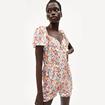 Jumpsuits & dungarees
 Skirts
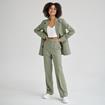 Suits & co-ord sets
.jpg) Swimwear
Swimwear Hoodies & sweatshirts
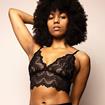 Lingerie & underwear
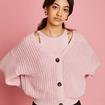 Knitted sweaters & cardigans
 Lounge & nightwear
 Coats & jackets
 Legwear
 Sportswear
 Maternity Clothing
 Sneakers
 Boots
Boots Loafers & flats
 Platform shoes
 Sandals
 Hiking & sports shoes
 Heels
Heels Barefoot Shoes
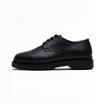 Lace-up shoes
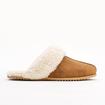 Slippers
 Shoe care & accessories
 Backpacks
 Crossbody bags
 Handbags
 Shoulder bags
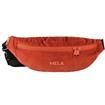 Bum & belt bags
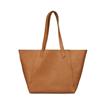 Shoppers & Totes
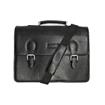 Laptop bags
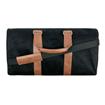 Travel bags & sports bags
 Clutches
 Toiletry Bags
 Cycle bags
 Jewelry
 Watches
 Belts
Belts Wallets
 Sunglasses
 Scarves
 Hair accessories
.jpg) Hats
Hats Gloves
 Laptop sleeves & phone cases
 Key rings


 T-Shirts & Polo's
 Jeans
Jeans Shirts
 Pants
Pants Hoodies & sweatshirts
 Shorts
 Knitted sweaters & cardigans
 Swimwear
 Coats & jackets
 Underwear
 Sportswear
 Socks
Socks Lounge & nightwear
 Sneakers
 Boots
Boots Slippers
 Hiking & Sports Shoes
 Loafers & mocassins
 Dress shoes
 Flip flops & sandals
 Barefoot Shoes
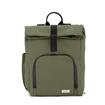 Backpacks
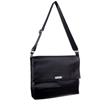 Shoulder bags
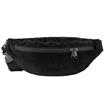 Crossbody & bum bags
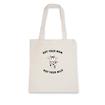 Cotton bags
 Toiletry bags
 Watches
 Belts
Belts Sunglasses
 Wallets
.jpg) Hats & beanies
Hats & beanies Key rings
 Jewelry
.jpg) Candles & fragrance sticks
Candles & fragrance sticks.jpg) Cushions
Cushions Other home decor
 Tableware
.jpg) Kitchen tools
Kitchen tools.jpg) Storage jars
Storage jars
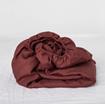 Bed sheets
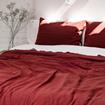 Duvet covers
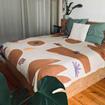 Throws & blankets
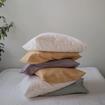 Pillow covers
 Cleaning
 Laundry bags
.jpg)
.jpg)
.jpg) (Reusable) Notebooks
(Reusable) Notebooks Pencil cases
.jpg)

 Clothing
 Shoes
Shoes Bags
Bags Toys
Toys
 Clothing
 Accessories


cotton, organic


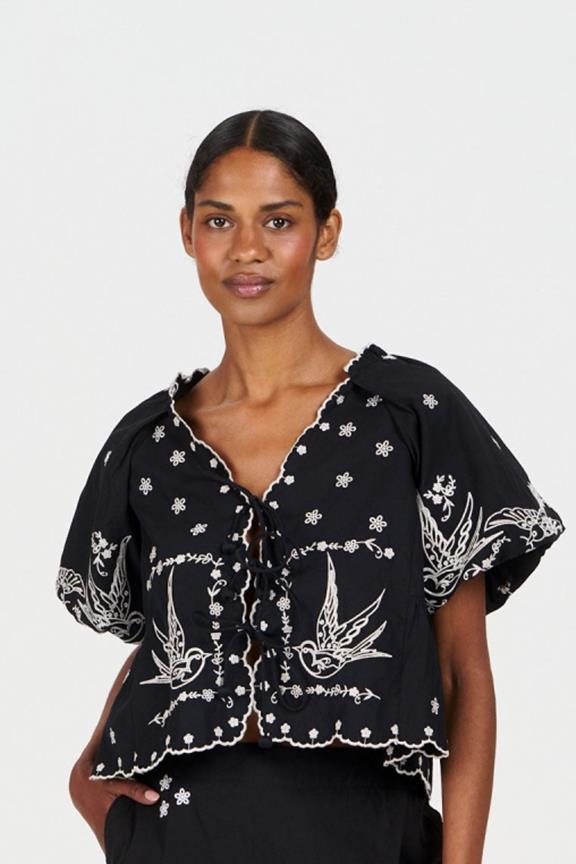
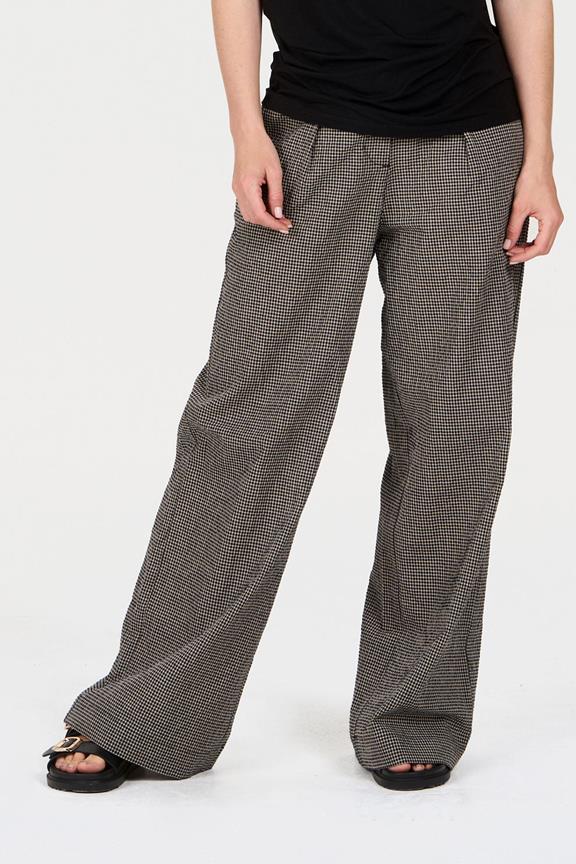
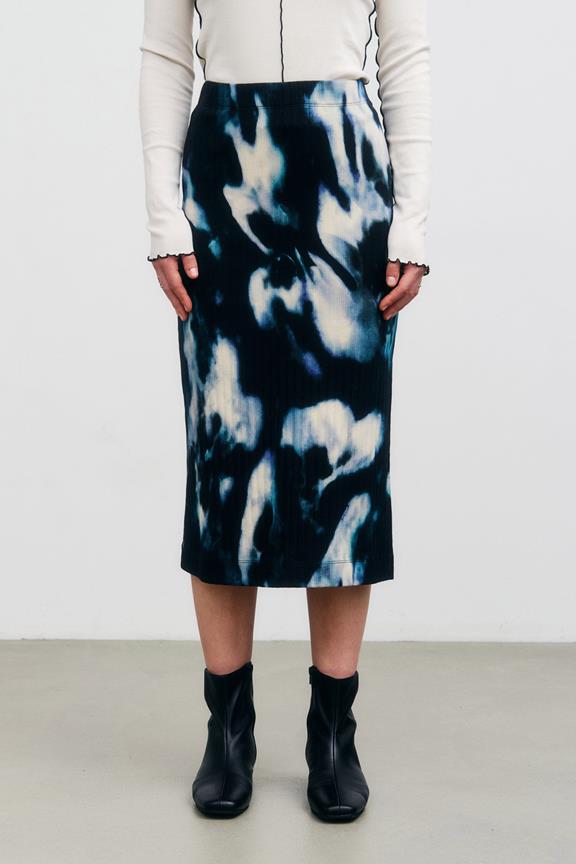
.jpg "Jacket Astrid Railway Natural Dye Blue Stripes")

.jpg "Overshirt Twill Chocolate Torte")
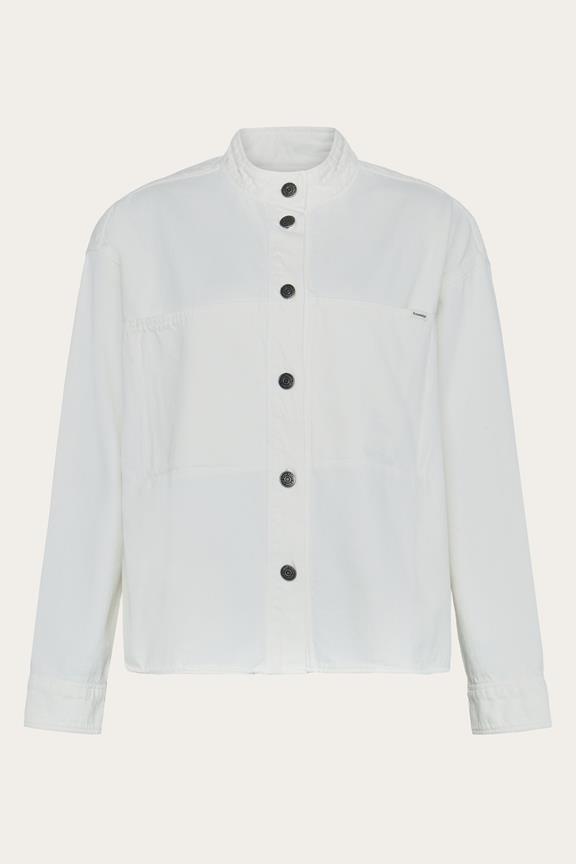
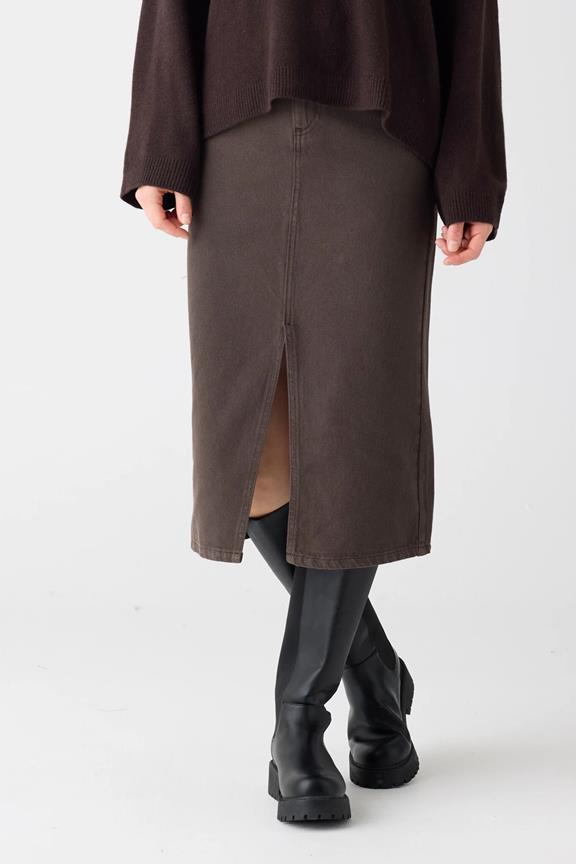
.jpg "Skirt Twill Egret White")

.jpg "Pants Kettan Railway Blue Stripes")
.jpg "Pants Lola Cord Olive")

.jpg "Pants Kettan Low Rise Striped Yellow")

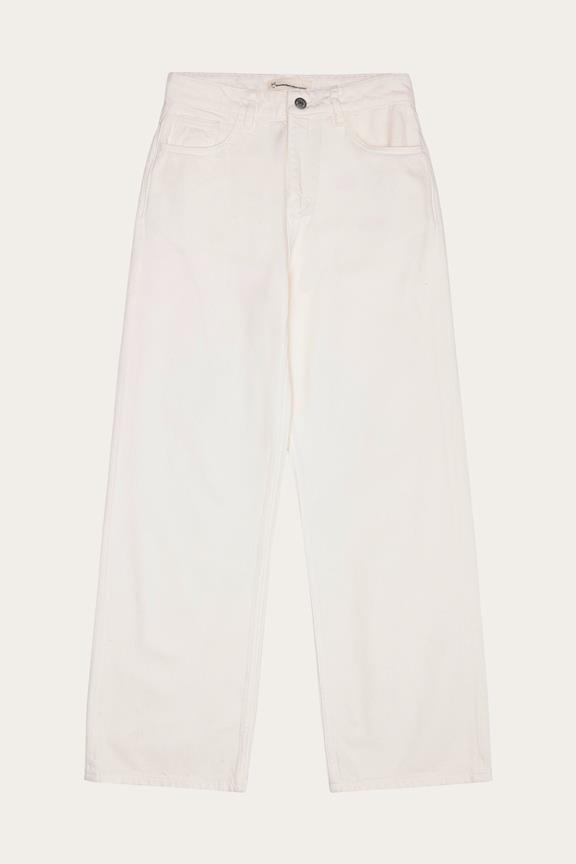

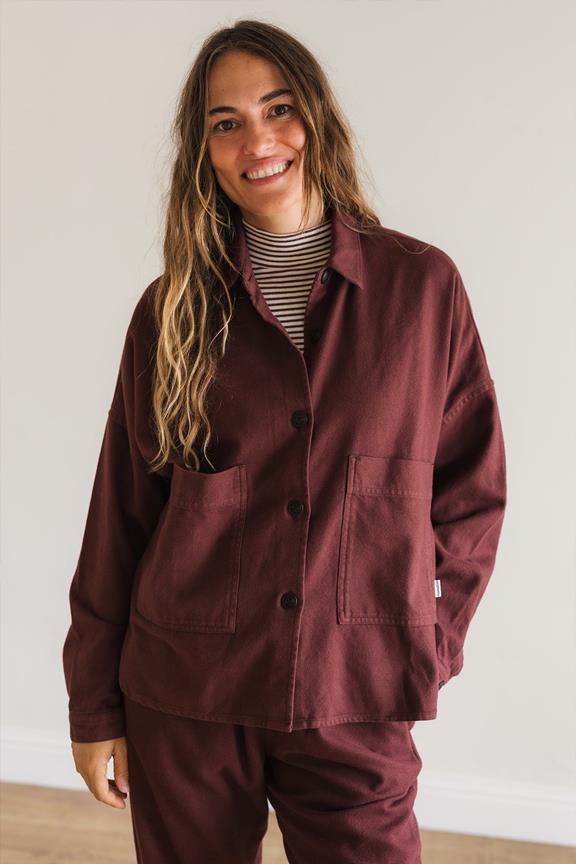


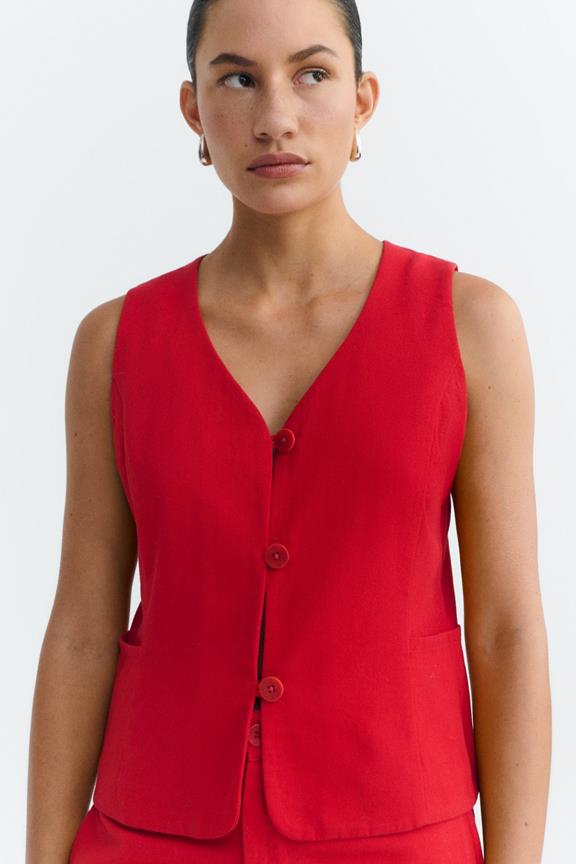
.jpg "Vest Alisa Striped Yellow")

.jpg "Jacket Frans Chain Sun Beige")
.jpg "Pants Denim Posey Dark Blue")
.jpg "Denim Shirt Dark Blue")



.jpg "Jacket Classic Anchor Blue")
.jpg "Trousers Sun Chain Hedda Beige")
Organic cotton is a natural fiber that is grown without the use of toxic pesticides, fertilizers or genetically modified organisms (GMOs). This approach to growing cotton is better for biodiversity and the environment.
The seeds of a cotton plant are surrounded by fluffy white fiber. The farmers take the seeds out and spin the fiber into a thread. When it gets woven into a fabric, it becomes light and breathable. Just like you know it.
This whole process, as said above, is done without any pesticides, toxic chemicals or GMOs. Also, organic cotton farming promotes healthier soil through practices such as crop rotation.
The Global Organic Textile Standard (GOTS) is a third-party certification for organic textiles. This includes garments made with organic cotton too. GOTS requires compliance with high environmental standards. But that's not all. It involves social standards for ethical production too.
Also, GOTS-certified garments are dyed with safe and eco-friendly dyes.
Unfortunately, the fashion industry is quite unregulated. This means that a brand can call its product 'organic' even if it is not. So, it's good to look for reliable ethical & sustainable fashion certifications.
Organic cotton is very soft and breathable. That is why it is also often recommended to people with sensitive skin.
You can find organic cotton in almost any women's clothing. Think of T-shirts, pants, shorts, dresses, underwear or pajamas. The same goes for men's clothing too, of course.
Thanks to its softness and absence of toxic chemicals, it is often used for baby clothing too. It can also be found in homeware products such as bed sheets. Or even personal care products like reusable makeup remover pads or sanitary pads.
Organic cotton is more sustainable than conventional cotton. Yet, it is not considered to be the most sustainable material a person can wear.
As explained above, organic cotton is grown in harmony with nature. Crop rotation, which improves the health of the soil, is part of organic cotton farming practices. Also, no toxic chemicals, pesticides or GMOs are used to grow this material.
All of this cannot be said about conventional cotton. But the reality of (organic) cotton's sustainability is more complicated. Let's look into that, shall we?
The main difference between organic cotton and conventional cotton is that organic cotton is grown in a more sustainable way. This means that monoculture practices are not involved and no pesticides, fertilizers or GMOs are used.
So, organic cotton is not only better for the environment. It is also better and safer for the farmers, animals and even the wearer. And well, as cotton is the most commonly used fiber in the world, it is safe to say that organic cotton is simply better for everyone.
It's true that conventional cotton is often called “a thirsty crop”. But cotton is usually grown in water-stressed areas. This means that its production can be easily perceived as “thirsty” and damaging to the area.
The thing is, the big sustainability picture could look differently if it would be grown somewhere else. But with overproduction being so common in today's world, the possibilities are not endless. However, if the farmers receive enough support, cotton can be grown in a more sustainable way.
That being said, organic cotton is not perfect either. Its production is more land-intensive compared to conventional cotton. In other words: less organic cotton is produced per hectare compared to non-organic cotton. This is due to the fact that no pesticides or fertilizers are used in the process.
Are you asking yourself “but what now, can I buy clothes made with organic cotton?”. Don't worry – we've all been there, a bit confused and overwhelmed. The answer is simple.
If you can, choose clothing made from more sustainable materials. If cotton is your only option, opt for organic. But the best and most sustainable thing you can do is to buy as little as possible. And only what you need (or really want and use for a long period of time 😉).